Choosing the right oral care products is essential for maintaining healthy teeth and gums. With so many options available—from toothbrushes and toothpaste to floss and mouth rinses—it can be overwhelming to know which products are best. Using the proper oral care tools helps prevent cavities, gum disease, bad breath, and other dental issues, while also promoting a confident, bright smile. Consulting a dentist can make this process easier, as they provide guidance tailored to your unique oral health needs. In this article, we’ll cover dental advice for selecting the right toothbrush, toothpaste, flossing tools, and additional products that can improve your overall dental hygiene.
Choosing the Right Toothbrush
Manual vs. Electric Toothbrushes
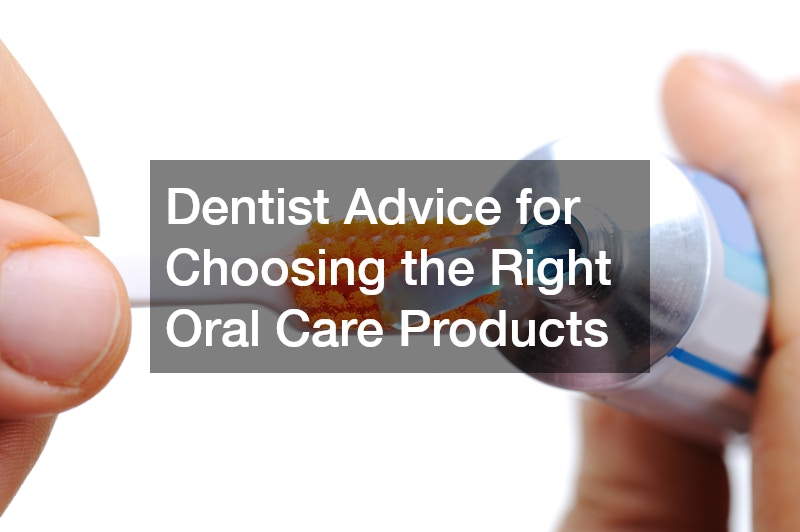
When it comes to brushing, choosing between a manual and an electric toothbrush depends on personal preference and dental needs. Manual toothbrushes are effective when used correctly, and they are often recommended for children or individuals who prefer a simple, low-cost option. Electric toothbrushes, on the other hand, can be particularly helpful for those with limited dexterity or patients prone to plaque buildup. Many dentists suggest electric toothbrushes for adults seeking a deeper clean, as the rotating or sonic bristles can remove plaque more efficiently than a standard manual brush. Ultimately, a dentist can assess your brushing technique and recommend the best option for your oral health goals.
Bristle Type and Toothbrush Size
Selecting the right bristle type and toothbrush size is equally important. Soft bristles are generally preferred because they clean teeth effectively without damaging enamel or irritating gums. Medium- or hard-bristled brushes may be too abrasive and lead to gum recession over time. The size and shape of the toothbrush head should also be considered to ensure it reaches all areas of the mouth, including back molars and tight spaces. A dentist can guide you in choosing a brush that fits comfortably in your hand and mouth while providing optimal cleaning power.
Selecting the Appropriate Toothpaste
Toothpaste is more than just a flavored paste; it plays a crucial role in maintaining oral health. The most important ingredient to look for is fluoride, which strengthens enamel and helps prevent cavities. Toothpaste formulations vary based on specific needs, such as sensitivity, whitening, or protection against enamel erosion. For example, individuals with sensitive teeth may benefit from a low-abrasion formula, while those seeking a brighter smile may prefer dentist-approved whitening options. A dentist can assess your oral health and recommend a toothpaste tailored to your needs, ensuring you get maximum protection and benefit from your daily brushing routine.
Flossing and Interdental Tools
Choosing the Best Floss
Flossing is essential for removing plaque and food particles between teeth where a toothbrush cannot reach. There are various types of floss available, including waxed, unwaxed, dental tape, and flavored options. Waxed floss may glide more easily between tight teeth, while dental tape can cover larger gaps. Regular flossing prevents gum inflammation and cavities in hard-to-reach areas. A dentist can provide tips on proper flossing technique, including how often to floss and how to avoid gum injury.
Alternatives to Traditional Floss
For some patients, traditional floss may not be the most effective option. Interdental brushes, water flossers, and soft picks are excellent alternatives, especially for individuals with braces, bridges, or gum issues. These tools can reach areas that flossing may miss and can be easier to use for children or those with limited dexterity. Dentists often recommend these alternatives when regular flossing is challenging or when additional cleaning support is needed to maintain optimal oral health.
Additional Products Recommended by Dentists
In addition to toothbrushes, toothpaste, and floss, several other products can support a healthy mouth. Mouth rinses with fluoride or antibacterial properties can reduce plaque and strengthen enamel. Tongue scrapers help remove bacteria that contribute to bad breath. Oral probiotics may support a balanced oral microbiome for overall dental wellness. Certain patients may require specialized tools, such as those designed for dry mouth, dental implants, or periodontal care. Consulting a dentist ensures you are using the right combination of products for your unique oral health needs, enhancing both effectiveness and safety.
Selecting the right oral care products is key to maintaining healthy teeth and gums. While there are many options available, a dentist can help determine which products are best suited to your individual needs. From toothbrushes and toothpaste to floss and additional oral care tools, using the right products enhances the effectiveness of your daily routine and supports long-term oral health. Pairing proper product use with regular dental visits ensures that your teeth and gums stay healthy, giving you a confident, bright smile for years to come.