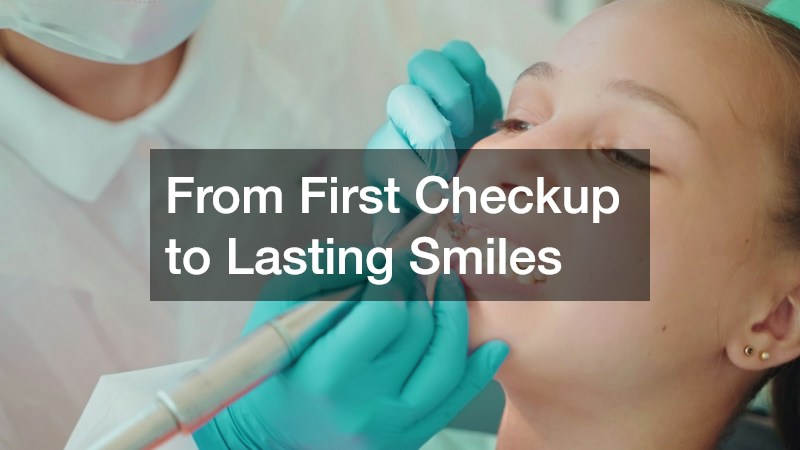
A healthy smile does a lot more than look nice in photos. It shapes how confident we feel and how comfortably we eat and speak, and it often gives early clues about our overall health. The good news is that strong teeth for life rarely come down to luck. They come from a series of small, well-timed choices made at every stage of life, starting with a child’s very first visit and continuing well into the later years. This guide follows that journey from beginning to end. We look at how to prepare young children for their first appointment, how to build daily habits that stick, and how to tell when teeth need straightening. We also cover the teen years, early signs of damage, safe whitening, options for replacing lost teeth, recovery after an extraction, and how to protect your smile for decades. Along the way, you’ll find practical advice for getting the most out of every appointment and knowing what kind of care to look for, and when.
Booking Your Child’s Very First Checkup

A child’s first visit sets the tone for how they’ll feel about caring for their teeth for years. Most professionals recommend booking it by the first birthday or within six months of the first tooth coming in. Family dentists encourage this early start because it gives the family a dental home: a familiar place everyone can return to for routine care and unexpected concerns.
The first visit is usually short and gentle. The dentist will look at your child’s gums and early teeth, make sure everything is developing normally, and check for early signs of decay. It’s also a chance for parents to learn about teething, bottle and pacifier habits, and how much toothpaste to use for little ones.
A little preparation goes a long way. Book a morning appointment, when your child is usually rested, and talk about the visit in a calm, upbeat way beforehand. Many family practices are designed with young patients in mind, with friendly staff and kid-sized touches that feel less clinical. A positive first impression helps children trust their care team and look forward to checkups instead of fearing them.
Building Brushing Habits That Actually Last
Daily habits do more to protect teeth than any single appointment, and the earlier they start, the more natural they feel. Children learn by watching, so brushing alongside your kids is one of the simplest ways to show them it matters. Having the right medical supplies on hand also helps. That includes a soft-bristled, child-sized toothbrush, fluoride toothpaste in the right amount for their age, and floss picks that are easy for small hands to use.
Most children need help brushing until they’re around seven or eight, when they have the coordination to clean every surface on their own. Until then, let them take a turn and then follow up yourself. A two-minute song, a sticker chart, or letting them pick out their own toothbrush can turn a chore into something they look forward to.
Consistency matters more than perfection. Brushing twice a day, in the morning and before bed, builds a rhythm that becomes automatic over time. Replace toothbrushes every three months or after an illness, since worn bristles clean far less well. Habits formed in these years tend to last well into adulthood.
Spotting Early Signs Teeth Need Straightening
Crooked teeth aren’t just a cosmetic concern. A misaligned bite can make teeth harder to clean, wear enamel unevenly, and sometimes cause jaw discomfort later on. Many experts recommend a first orthodontic evaluation around age seven, when the mix of baby and adult teeth makes developing problems easier to spot.
Parents can watch for a few signs at home. These include crowded or overlapping teeth, large gaps, teeth that meet unevenly when the mouth closes, baby teeth lost very early or very late, mouth breathing, and prolonged thumb sucking. If you notice any of these, a visit to an orthodontist office can tell you whether treatment is needed now or whether it’s better to wait and watch your child’s growth.
An early evaluation doesn’t always mean early braces. In many cases, the specialist will simply track development over time and step in when the timing is right. When treatment is recommended, today’s options range from traditional braces to clear aligners, depending on age and need. Starting the conversation early often leads to shorter, simpler treatment and a more comfortable, confident smile down the road.
Questions Worth Asking at Every Visit
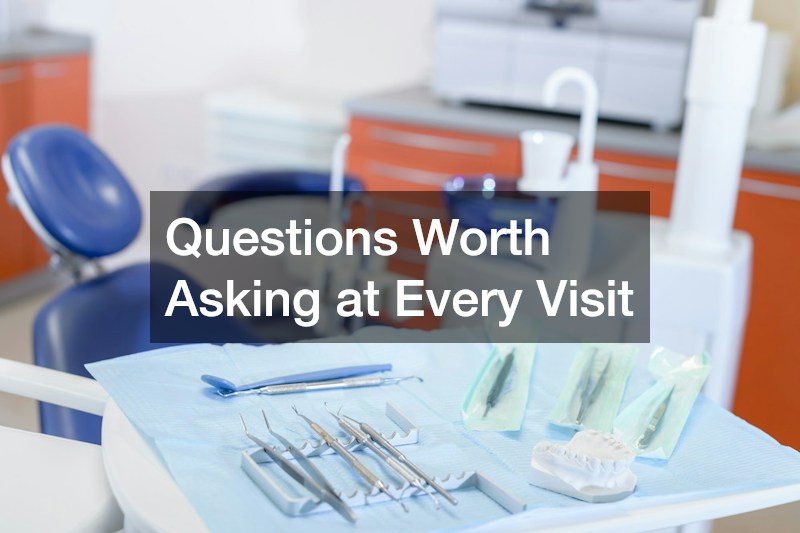
Routine checkups are about much more than cleanings and cavity checks. They’re your best chance to get personal advice from someone who knows your mouth well. Coming prepared with a few questions turns a standard visit into a useful planning session for your family’s oral health.
Good questions are often simple. Ask your dentist whether there are areas you tend to miss when brushing, whether your gums show any early signs of trouble, and how often you really need to come in. It’s also worth asking how your diet, medications, or habits like grinding or snacking may be affecting your teeth.
Between appointments, keep a running note on your phone so you remember any sensitivity, sore spots, or other changes you notice. Mention anything new, even if it seems minor, since small changes are easier to deal with early. Over time, this kind of open conversation builds a relationship where your dentist can tailor advice to your needs instead of offering one-size-fits-all recommendations.
Protecting Smiles Through the Teen Years
The teen years bring more independence, busier schedules, and new risks for teeth. Snacking, sugary drinks, sports, and braces all come into play just as parents step back from supervising daily routines. This is often when cavities and early gum problems start to creep in, so keeping up with regular checkups is especially important.
Sports deserve special attention. Contact sports, and even casual games, can lead to chipped or knocked-out teeth, and a properly fitted mouthguard is one of the easiest ways to prevent that. Sports physicals and yearly visits at medical offices are a good time to bring up mouth protection, and many pediatricians will also ask how a teen is caring for their teeth.
Teens respond best when they feel in charge of their own care. Let them choose their own toothbrush or toothpaste flavor, talk with them about how a healthy smile affects confidence, and encourage them to ask their own questions during appointments. When teens take ownership now, they’re far more likely to carry those habits into adulthood.
Catching Cracked or Worn Teeth Early
Teeth are strong, but they aren’t indestructible. Grinding, clenching, chewing ice or hard candy, old fillings, and minor injuries can all lead to cracks and worn enamel over time. These problems often start small and painless, which is why many people don’t notice them until they become more serious.
Watch for warning signs such as sharp pain when biting, sensitivity to hot or cold, rough edges, or teeth that look shorter or flatter than they used to. If you notice any of these, schedule a visit instead of waiting for your next routine checkup. Waking up with a sore jaw or a headache may also point to grinding at night.
Catching damage early usually means simpler treatment. Minor wear may only need a protective night guard or a small repair. A tooth with a larger crack may need a dental crown to hold it together and restore its strength and appearance. Treating the problem promptly can help save the natural tooth and avoid more complex procedures later.
Brightening Your Smile Without Overdoing It
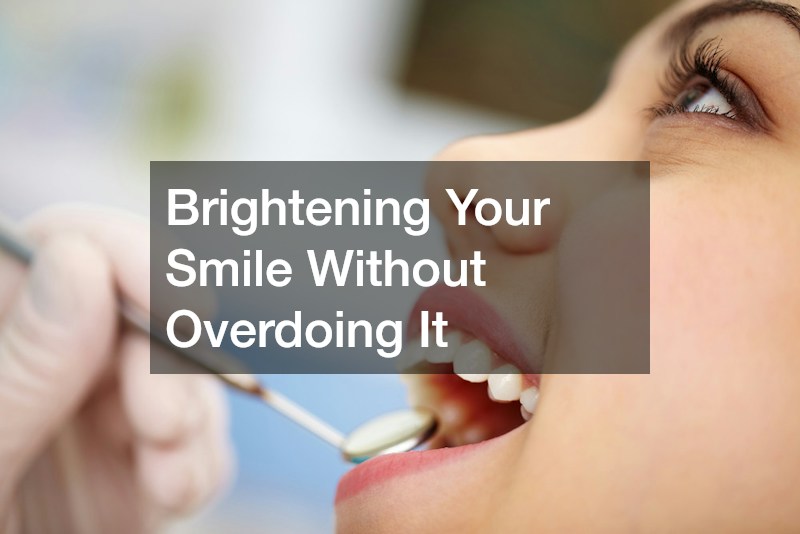
A brighter smile can be a real confidence boost, but whitening works best when it’s approached thoughtfully. Coffee, tea, red wine, tobacco, and simple aging can all dull the color of teeth over time. The goal is to lift those stains without weakening enamel or causing painful sensitivity.
It’s wise to have a checkup before whitening. Whitening doesn’t change the color of fillings or other restorations, and it can irritate teeth that have cavities or exposed roots. A professional cosmetic dental service can assess your enamel, explain what results are realistic, and recommend an approach that suits your teeth, whether that’s an in-office treatment or a supervised take-home option.
More isn’t always better. Overusing whitening products can leave teeth sensitive and even give them an unnatural, overly bright look. Follow product directions closely, space out treatments, and let your care team know if sensitivity develops. Simple habits, like rinsing with water after coffee or tea, can also help your results look natural for longer.
Weighing Your Options for Missing Teeth
Losing a tooth affects more than appearance. A gap can make chewing harder, cause neighboring teeth to shift, and lead to bone loss in the jaw over time. That’s why replacing a missing tooth sooner rather than later is usually the better choice, even if the gap doesn’t show when you smile.
Teeth implants are a popular option because they look, feel, and work much like natural teeth. A small post is placed in the jawbone, and once it heals, a replacement tooth is attached on top. Other options include bridges, which rely on neighboring teeth for support, and partial or full dentures, which are removable and can replace several teeth at once.
The right choice depends on your bone health, your overall health, how many teeth are missing, and your budget and lifestyle. Ask your care team how long each option typically lasts and what upkeep it needs. A thorough evaluation and an honest conversation will help you choose a solution you’ll be comfortable with for years to come.
Recovering Smoothly After a Tooth Extraction
Tooth extractions are more common than many people realize. A tooth may need to come out because it’s an impacted wisdom tooth, because it’s in the way of orthodontic treatment, or because it’s too damaged to save. Knowing what to expect beforehand can make the whole experience far less stressful.
Before the procedure, your oral surgeon will explain how to prepare and what recovery will involve. If you’ll be sedated, arrange for someone to drive you home, and stock up on soft foods like yogurt, mashed potatoes, soup, and smoothies. Ask for written aftercare instructions so you have them on hand while you rest at home.
For the first few days, rest and follow your instructions closely. Avoid drinking through straws, smoking, and spitting hard. These can dislodge the blood clot that protects the healing site and lead to a painful condition called dry socket. Keep the rest of your mouth clean as directed. Call your care team if you notice increasing pain, swelling, fever, or bleeding that won’t stop.
Keeping Your Smile Strong for Decades

Oral health needs change as we age. Gums may recede, older fillings can wear out, and conditions like diabetes or heart disease can affect the mouth. Keeping up with checkups and daily care becomes even more important in later years, not less.
Medications deserve special attention. Hundreds of common prescriptions, including some for blood pressure, allergies, and depression, can cause dry mouth, which raises the risk of cavities and gum disease. Your local pharmacy can be a helpful resource here. Pharmacists can tell you whether your medications may be affecting your mouth and suggest products that may help, such as fluoride toothpaste, alcohol-free rinses, or saliva substitutes.
At every visit, share a full list of your medications and health conditions with your care team, and tell them about any changes. If arthritis makes brushing harder, ask about electric toothbrushes or brushes with larger handles. Small adjustments like these keep your routine manageable and help protect the smile you’ve worked to keep for decades.
A lasting smile is built one step at a time, from a child’s first checkup to the routines that carry us through our later years. Each stage brings its own needs, and knowing what to look for makes it easier to act early and choose the right kind of care. Family dentists, orthodontic specialists, and the professionals behind a cosmetic dental service all play a part. So do the pharmacies and medical offices that support our overall health. Regular visits, honest conversations, and steady care at home are the foundation of it all. By staying informed and paying attention to small changes, you can protect your teeth, avoid more complex treatment, and enjoy a healthy, confident smile for life. Every question you ask and every habit you keep is an investment that pays off for years.
