Pediatric dentistry is a specialized branch of dentistry that focuses on the oral health care of infants, children, and adolescents. This field requires a deep understanding of the unique dental needs that occur at different stages of a child’s development. Pediatric dentists are specifically trained to manage the dental anomalies and conditions common among younger patients. An underlying goal of pediatric dentistry is to establish a positive relationship between children and their oral health care providers.
This fostered trust makes future dental visits less stressful, ensuring a lifetime of good oral health.
One of the primary roles of a pediatric dentist is preventive care. This includes educating children and their guardians about proper brushing techniques, flossing, and diet choices that can affect oral health. Preventive care also involves periodic cleanings and fluoride treatments, which are crucial in ensuring a child’s teeth develop without complication. Pediatric dentists often emphasize the importance of early dental visits to allow for the timely identification of issues such as cavity formation and bite misalignments. They are also adept at advising on preventive measures like sealants to protect young teeth from decay.
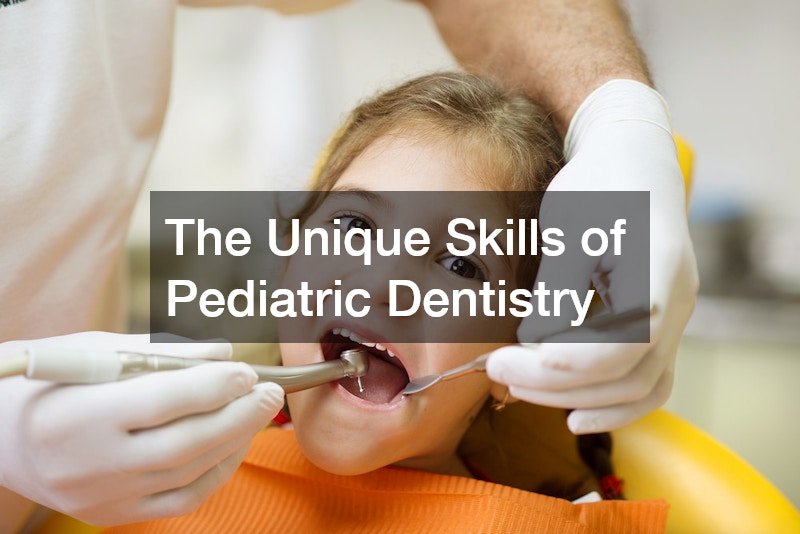
An essential component of pediatric dentistry is behavior management. Children may feel anxious or apprehensive during dental appointments, and a pediatric dentist must be skilled in alleviating these concerns. Techniques such as tell-show-do, positive reinforcement, and voice control are often employed to ensure a child’s comfort. An understanding approach combined with a child-friendly atmosphere helps create a reassuring experience. These techniques are designed to help children feel at ease and develop confidence during their dental visits.
Specialized Training and Skills
Becoming a pediatric dentist requires additional training beyond general dentistry education. After earning a dental degree, a pediatric dentist must complete a specialized residency program that typically lasts two to three years. This program covers various aspects of child development, psychology, and behavior guidance, all of which are crucial for treating young patients. Pediatric dentists gain skills in treating children with special needs, managing dental emergencies in children, and understanding the growth and development of teeth and jaws. This specialized training equips them to handle the unique dental needs of children effectively.
Pediatric dentists must possess excellent communication skills. Communicating with children requires patience and creativity, as young patients may not always express their needs or fears clearly. Using age-appropriate language, pediatric dentists explain procedures in a way that children can understand. They also collaborate closely with parents to ensure that they are informed and engaged in their child’s dental care. Building a rapport with both the child and their guardian is central to successful pediatric dentistry.
Another critical skill is the ability to diagnose and treat developmental dental issues that may not be apparent immediately. Pediatric dentists are trained to recognize signs of emerging problems, such as misaligned bites or delayed tooth eruption. Early diagnosis can often prevent more severe dental issues later in life. The ability to spot these issues early requires a keen eye and thorough understanding of pediatric dental development. Pediatric dentists are also equipped to work with orthodontists to address developmental concerns as early as possible.
Creating a Child-Friendly Environment

Pediatric dental offices are uniquely designed to create a welcoming and non-threatening environment for children. Bright colors, toys, and storybooks in the waiting area are employed to help children feel relaxed and engaged before their appointment. Pediatric dentists understand that a child’s first impression of the dentist’s office is crucial for their future attitude toward dental care. This attention to detail in the atmosphere contributes significantly to alleviating a child’s anxiety. Making the office a fun and inviting place helps to build positive associations with dental visits.
The equipment used in pediatric dentistry is also specialized to cater to smaller mouths. Pediatric dentists utilize smaller tools and advanced sedation options. Techniques such as nitrous oxide or “laughing gas” are employed to help manage anxiety and pain. The emphasis on child-sized equipment and appropriate pain management ensures that dental procedures are as comfortable as possible for young patients. These tailored approaches are essential to maintaining a child’s comfort throughout their treatment.
Furthermore, pediatric dental practices emphasize education through play and demonstration. Educational tools and models are used to teach children about dental anatomy and the importance of oral hygiene in an engaging manner. Interactive learning experiences, such as practicing brushing teeth on models, empower children to take charge of their oral health. These methods are designed to instill good dental habits that last a lifetime. By making education enjoyable and accessible, pediatric dentists lay the foundation for a lifetime of good oral health.