Maintaining oral health is crucial, and knowing when to visit the dentist can significantly impact your overall dental well-being. This article will guide you through the critical times and reasons to schedule a dental appointment. Oral health plays a vital role in overall health, influencing not just your teeth and gums but your overall system. Often, dental health is a reflection of your physical health since issues in your mouth can contribute to illnesses in other parts of your body. Therefore, understanding when to visit your dentist and making it a part of your routine could lead to significant health benefits.
In the following sections, we will explore how often you should see your dentist, signs to look out for, and the importance of regular dental visits.
How often should you visit the dentist?
Recommended frequency of dental check-ups
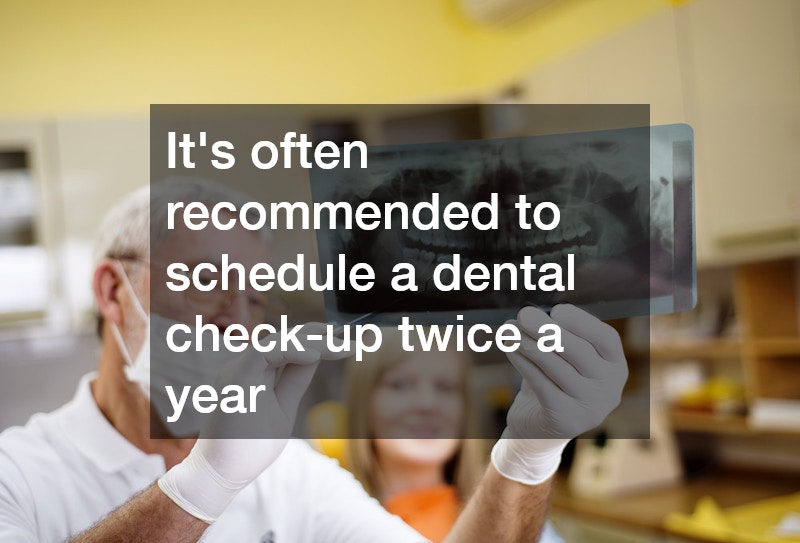
It’s often recommended to schedule a dental check-up twice a year, but individual needs may vary based on personal oral health circumstances. For example, someone who is prone to cavities or has gum disease might need more frequent visits, while those without such issues may find semi-annual visits sufficient. Regular check-ups allow for professional cleanings that remove plaque and tartar build-up that isn’t removed by regular brushing and flossing. These visits also give your dentist an opportunity to monitor the health of your mouth and provide advice on how to improve it. Frequent check-ups mean early detection of potential problems, allowing for swift intervention before minor issues become major concerns.
Regular dental visits are an opportunity to receive personalized advice tailored to your specific oral health needs. Your dentist might recommend dietary changes, suggest better brushing techniques, or even identify how your overall health impacts your oral health. Having a professional evaluate your toothbrush technique and flossing efficacy can ensure that you maintain the best possible cleaning routine at home. Additionally, establishing a relationship with your dentist can make it easier to address dental anxiety, ensuring you receive the care you need without undue stress. Understanding these benefits can influence your decision to maintain regular dental appointments.
The American Dental Association emphasizes the importance of dental check-ups along with maintaining a daily oral hygiene routine at home. Ensuring that professional advice is followed could minimize the chances of developing more severe conditions like tooth decay and gum disease. Advances in dental technology have also made dental check-ups more comprehensive, allowing for a thorough examination in less time. Recognizing these advantages can alter how often and diligently patients approach their dental appointments. Investing time in regular visits can save on larger, more invasive procedures in the long run, offering a cost-effective approach to keeping a healthy smile.
What are the signs that you need to see a dentist?
Common symptoms requiring a dental visit
Persistent toothache, bleeding gums, and sudden sensitivity are just a few signs that might indicate the need for a dental evaluation. Often, these symptoms are indicators of underlying issues that, if left unaddressed, can lead to more severe dental problems. Immediate attention can prevent infections and further complications that could result in more invasive treatment. For example, a toothache could signal an infection, which can spread to other parts of the body if not treated in a timely manner. Recognizing these signs and scheduling an appointment with your dentist can mitigate potential risks and maintain overall health.
Bad breath, or halitosis, and sores that do not heal quickly can also signal a need for a dental visit. Such symptoms might suggest gum disease, oral cancers, or other serious health conditions requiring immediate attention. Dental professionals have the expertise to differentiate between minor and severe symptoms and recommend the best course of action. They can diagnose issues that aren’t visible to the naked eye, thanks to advanced dental imaging techniques. By seeking a dentist’s advice promptly, patients can avoid progression of serious conditions and maintain their dental and overall health.
In addition, loose teeth and difficulty chewing can alert one to the possibility of periodontal disease or other structural issues within the mouth. Gums that pull away from the teeth or any changes in how teeth fit together should also be evaluated by a professional. Such symptoms can be vital in diagnosing broader health issues, including diabetes and heart disease. Therefore, it’s crucial to listen to your body and schedule a dental visit when these signs manifest. Early detection means treatments are more effective and less invasive, maintaining the health of both your mouth and entire body.
Regular visits to local dental offices are essential not just for treatment but for prevention and maintenance of oral health. Understanding when to see your dentist ensures you maintain a healthy smile and avoid potential health complications. Through these visits, individuals can receive personalized advice to suit their specific needs, highlighted by the significant role regular dental check-ups play in overall health. Listening to your body for signs and making routine check-ups part of your healthcare regime ensures actionable insights are taken to prevent, detect, and treat ailments effectively. By committing to regular dental appointments, you not only care for your oral health but enhance your overall quality of life. In this way, seeing your dentist isn’t solely about addressing immediate pain but is an integral part of a proactive health strategy.